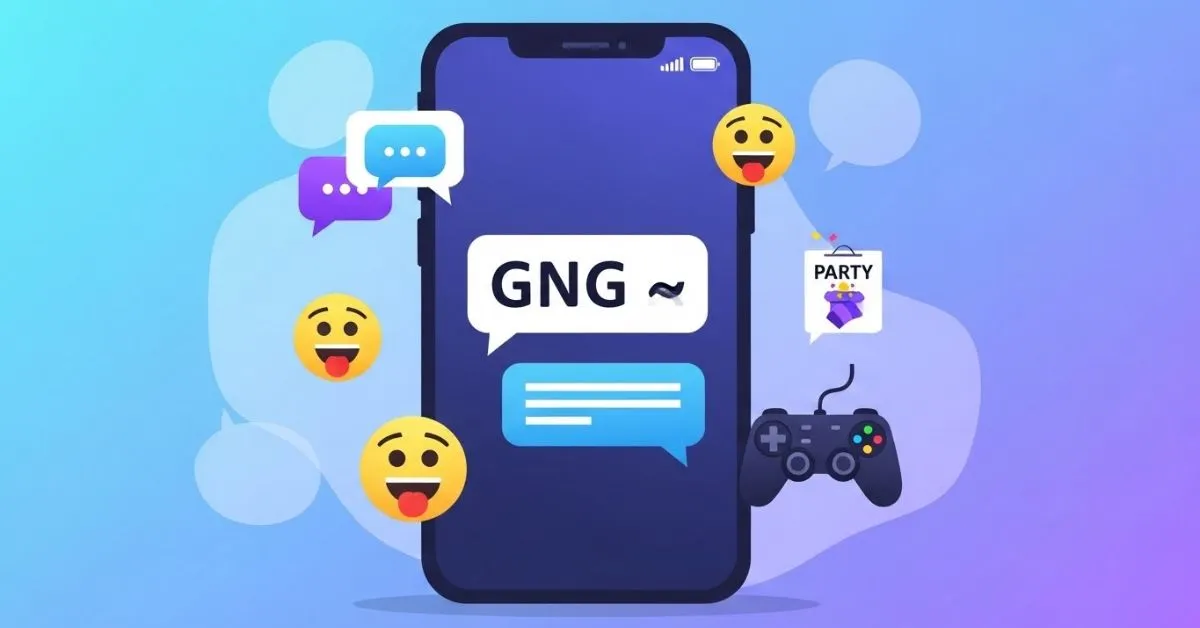
I was texting my friend the other day about plans for the weekend when suddenly I saw them reply with “GNG”. Then I paused for a moment Wait, what does that even mean?
I felt a little confused, just like anyone would when seeing unfamiliar texting slang. Instead of ignoring it, I decided to ask directly: “Hey, what’s GNG?” My friend explained that it stands for “Going, Not Going”.
Once I understood it, I realized how handy it is for quickly letting someone know you’ll join an event or not. From that moment, I started using it confidently in my chats to keep conversations simple and smooth!
Quick Answer:
GNG means “Going, Not Going.” It’s a casual and friendly way of quickly indicating whether you’ll attend an event, join a plan, or participate in something.
🧠 What Does GNG Mean in Text?
GNG stands for “Going, Not Going.” It’s used when someone wants a simple and fast way to confirm attendance or participation. Instead of typing a full response, people just reply with GNG to indicate their status.
Example:
A friend asks: “Are you coming to the movie tonight?”
You reply: “GNG 😄” (meaning you are going)
In short:
GNG = Going, Not Going = Quick way to confirm attendance or participation.
📱 Where Is GNG Commonly Used?
GNG is mostly used in informal and casual texting situations:
- 📱 Text messages – asking friends or family about plans
- 🎉 Event invites – confirming attendance quickly
- 🕹 Gaming chats – checking if teammates will join an online event
- 📸 Social media DMs – coordinating hangouts or meetups
- 🎵 TikTok or Instagram comments – confirming plans for online challenges or collaborations
Tone: Casual, friendly, and social-media–friendly. Avoid using it in professional emails or formal messages.
💬 Examples of GNG in Conversation
A: “Are you going to the concert tonight?”
B: “GNG 😎”
A: “Dinner at mine tomorrow, GNG?”
B: “Yes, GNG! What time?”
A: “GNG online for the game later?”
B: “Yeah, logging in in 10”
A: “GNG to the park this weekend?”
B: “Not sure, might be busy 😅”
A: “Movie night, GNG joining?”
B: “Absolutely, GNG”
A: “GNG for the study group tomorrow?”
B: “Yes, will be there!”
🕓 When to Use and When Not to Use GNG
✅ When to Use
- Friendly chats with friends or family
- Casual group messages
- Quick yes/no confirmations for plans
- Social media coordination
❌ When Not to Use
- Formal emails or work-related communications
- Serious or urgent situations
- When a full explanation is required
Comparison Table:
| Context | Example Phrase | Why It Works |
| Friend Chat | “GNG for the BBQ 😄” | Casual & friendly |
| Work Chat | “Will you attend the meeting?” | Polite & professional |
| Event Planning | “GNG online for the event?” | Quick & clear |
| “Please confirm your attendance.” | Formal & clear |
Similar Slang Words or Alternatives
| Slang | Meaning | When to Use |
| RSVP | Répondez s’il vous plaît (Please respond) | Formal events, emails |
| WYB | Will You Be | Casual texting, confirming attendance |
| Y/N | Yes or No | Quick texting, casual chats |
| BRB | Be Right Back | Messaging, casual online chats |
| TBA | To Be Announced | Event details, planning updates |
FAQs ❓
Q1: Is GNG formal or casual?
A: GNG is casual and friendly, perfect for texting friends or casual events.
Q2: Can I use GNG in emails?
A: Not recommended. Use full phrases like “Will you be attending?” for clarity.
Q3: Can GNG be used globally?
A: Mostly in English-speaking texting environments, but it’s increasingly recognized online.
Q4: Can GNG have other meanings?
A: In texting, GNG primarily stands for “Going, Not Going.” Context matters, but this is the most common usage.
Conclusion
In short, GNG is a simple, quick, and friendly texting abbreviation that stands for “Going, Not Going.” It’s perfect for confirming attendance, joining plans, or letting someone know your participation status in a casual way. While it works best in informal chats, social media DMs, and friendly group conversations, it’s not suitable for professional or formal communications.
Now that you know what GNG means and how to use it, you can respond confidently in your texts and keep your conversations smooth, clear, and friendly!

I’m Janet Frame, the author of themeaning.com, and I’m an expert in meanings. I uncover the true sense of words, phrases, and slang so you can understand them easily.