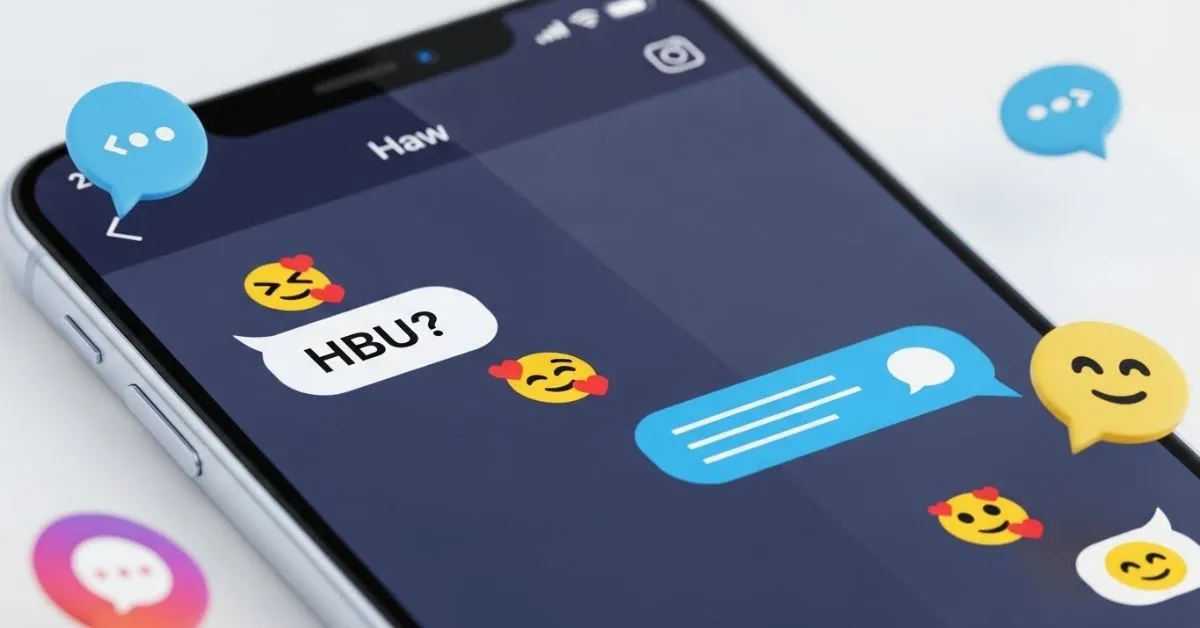
I was texting my friend the other day, and after sharing how my day went, I suddenly saw “HBU?” pop up on my screen. At first, I paused Hmm, what does HBU even mean?
I realized I wasn’t sure, and I didn’t want to look clueless, so I handled it like I always do I just asked directly, “Hey, what does HBU mean in Text ?” That’s when I learned it stands for “How About You?”, a casual and friendly way to return a question or ask someone about their day.
Once I knew, I started using it confidently in my chats to keep the conversation flowing naturally.
Quick Answer:
HBU means “How About You?” It’s a friendly and casual way to ask someone the same question you were just asked or to check in on them.
What Does HBU Mean in Text?
HBU stands for “How About You.” It’s typically used to return a question in a conversation or to ask someone’s opinion, feelings, or status. Instead of typing the full phrase, people simply type HBU to save time and keep chats casual.
Example:
A: “I’m doing great today! HBU?”
B: “I’m good too, thanks for asking 😊”
In short:
HBU = How About You = A quick, friendly way to ask the same question back.
📱 Where Is HBU Commonly Used?
HBU is very popular in informal texting and social media platforms:
- 📱 Text messages – talking with friends, family, or partners
- 💬 DMs on Instagram, Snapchat, or Facebook – casual check-ins
- 🕹 Gaming chats – asking teammates or friends about their status
- 🎵 TikTok comments – used to engage with someone’s post
Tone: Casual, friendly, and conversational. Not suitable for formal or professional contexts.
💬 Examples of HBU in Conversation
Here are some realistic texting examples of HBU:
A: “I just finished my workout! HBU?”
B: “I just got back from a run too 💪”
A: “I’m feeling tired today 😴 HBU?”
B: “Same here, had a long day”
A: “I got a new job! HBU?”
B: “Congrats! I’m doing well too”
A: “Had pizza for lunch, HBU?”
B: “Had pasta 🍝, yum!”
A: “I’m excited for the weekend, HBU?”
B: “Can’t wait! Got plans with friends”
A: “Just finished watching that movie, HBU?”
B: “I haven’t yet, planning to tonight 🎬”
🕓 When to Use and When Not to Use HBU
✅ When to Use
- With friends, family, or partners
- Casual chats or social media DMs
- To return a question or check in on someone
- Short and friendly responses
❌ When Not to Use
- Formal emails or work-related messages
- Serious or urgent conversations
- When clarity and professionalism are required
Comparison Table:
| Context | Example Phrase | Why It Works |
| Friend Chat | “I’m good 😄 HBU?” | Casual & friendly |
| Work Chat | “I’m doing well. And you?” | Polite & professional |
| Event Planning | “I’ll be there, HBU?” | Quick & clear |
| “Please let me know your availability.” | Formal & clear |
Similar Slang Words or Alternatives
| Slang | Meaning | When to Use |
| WYB | Will You Be | Casual attendance questions |
| GNG | Going, Not Going | Quick RSVPs, casual chats |
| BRB | Be Right Back | Informal chatting online |
| IDC | I Don’t Care | Casual tone, informal chats |
| IMO | In My Opinion | Sharing thoughts casually |
| TTYL | Talk To You Later | Casual farewell in texts |
FAQs ❓
Q1: Is HBU formal or casual?
A: HBU is casual and friendly, best for texting friends, family, or social media conversations.
Q2: Can I use HBU in emails?
A: Not recommended. Use full phrases like “How about you?” in professional or formal emails.
Q3: Is HBU commonly understood globally?
A: Mostly in English-speaking texting environments, but it’s becoming widely recognized online.
Q4: Can HBU have other meanings?
A: In texting, HBU almost always means “How About You.” Context matters, but this is the most common usage.
Conclusion
In short, HBU Mean in Text is a simple, friendly, and casual texting abbreviation that stands for “How About You.” It’s perfect for keeping conversations flowing, returning questions, or checking in on someone’s day. While it works best in informal chats, social media DMs, and friendly conversations, it’s not suited for formal emails or professional messages.
Now that you know what HBU means and how to use it, you can confidently include it in your texts and keep your conversations natural and engaging.

I’m Marcel Proust, the author of themeaning.com, and I’m an expert in meanings. I explore the true sense of words, phrases, and slang to help you understand them easily.