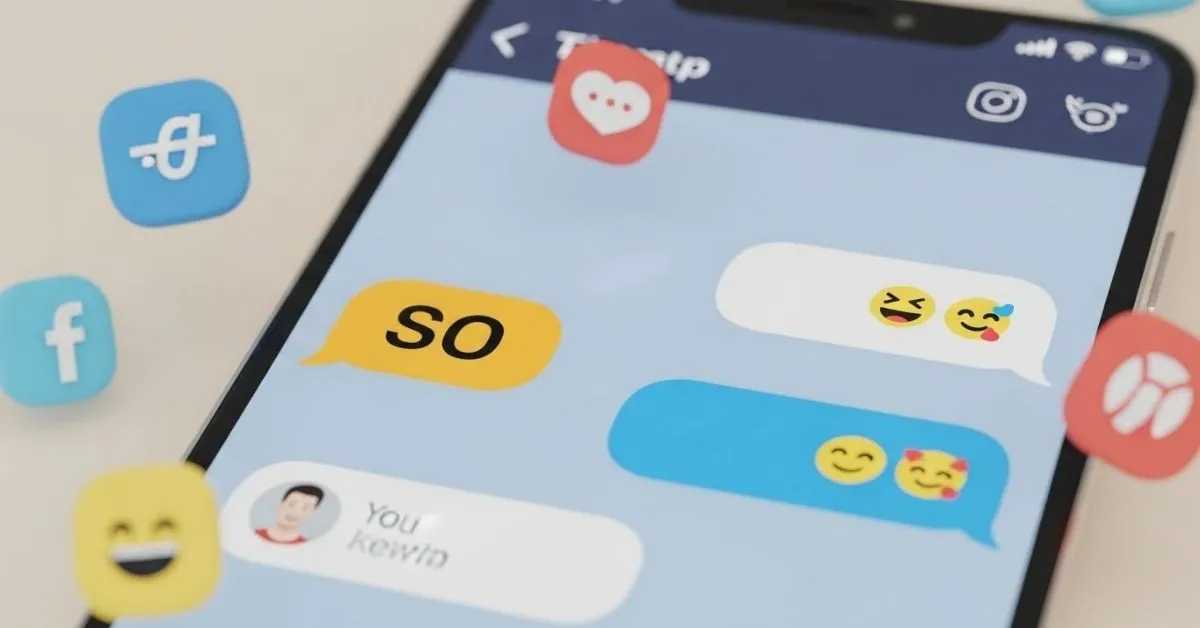
I was chatting with a friend the other day, and suddenly they typed “SO” in the middle of our conversation. I stared at my phone for a moment wait what does SO Mean in Text?
I had seen plenty of texting abbreviations before, but this one left me confused. Instead of ignoring it, I asked my friend directly, and that’s when I learned its meaning.
Once I understood it, I realized how useful “SO” is for keeping conversations short, clear, and casual. Now I use it myself all the time without even thinking!
Quick Answer:
SO means “So…” — a casual, conversational word used to continue a thought, react to something, show interest, hesitation, or prompt the other person to say more. Its tone depends heavily on context (friendly, curious, awkward, or sometimes sarcastic).
What Does SO Mean in Text?
In texting, SO doesn’t stand for a longer phrase — it’s simply the word “so” used on its own.
People use so to:
- Continue a conversation
- Prompt someone to explain more
- React subtly (sometimes neutrally, sometimes awkwardly)
- Show curiosity or anticipation
Example:
A: “I have something to tell you…”
B: “so? 😅”
In short:
SO = “So…” = prompting, reacting, or continuing a thought depending on context.
Tone is everything — it can sound curious, awkward, playful, annoyed, or flirty based on the situation and emojis used.
📱 Where Is SO Commonly Used?
You’ll mostly see so in casual, conversational spaces:
- 📱 Text messages — reacting or prompting replies
- 💬 Instagram / Snapchat DMs — informal conversations
- 🎮 Gaming chats — reacting to updates or plans
- 🧑🤝🧑 Group chats — continuing discussion
- 💻 Online comments — light reactions
Tone:
Casual, conversational, context-dependent
❌ Not recommended for formal emails or professional communication.
Examples of SO in Conversation
Here are realistic texting examples showing different tones:
A: “i passed my exam”
B: “so? 😄 tell me everything”
A: “we need to talk”
B: “so… that sounds serious 😅”
A: “guess who i met today”
B: “so?? 👀”
A: “i might move to another city”
B: “oh… so that’s big news”
A: “i’m bored”
B: “so? wanna do something?”
A: “i finished the project”
B: “so that means we’re done? 😄”
A: “i have a secret”
B: “sooo? spill it 😏”
🕓 When to Use and When Not to Use SO
✅ When to Use
- Casual conversations with friends
- Prompting someone to continue speaking
- Showing curiosity or interest
- Light reactions or playful replies
- Informal social chats
❌ When Not to Use
- Professional or work emails
- Serious or emotional conversations
- When clarity is very important
- With someone who may misinterpret tone
Comparison Table
| Context | Example Phrase | Why It Works |
| Friend Chat | “so?? 👀” | Curious & casual |
| Group Chat | “so what happened next?” | Keeps convo going |
| Work Chat | “Could you please explain further?” | Polite & professional |
| “I would appreciate more details.” | Formal & clear |
Similar Slang Words or Alternatives
| Slang | Meaning | When to Use |
| then | What happened next | Casual continuation |
| ok | Acknowledgment | Neutral response |
| hmm | Thinking / unsure | Mild hesitation |
| lol | Light reaction | Funny situations |
| btw | By the way | Changing topic |
| idk | I don’t know | Expressing uncertainty |
FAQs❓
Q1: Is “so” rude in text?
Not necessarily. It can sound rude if used dryly, but with emojis or friendly tone, it’s playful or curious.
Q2: Is “so” flirty?
Sometimes especially when paired with emojis like 👀 😏 😅.
Q3: Can “so” be sarcastic?
Yes. In some contexts, it can show disbelief or mild sarcasm.
Q4: Is “so” formal?
No. It’s very casual and conversational.
Q5: Does “so” always mean the same thing?
No its meaning depends completely on tone, context, and surrounding messages.
Conclusion
SO in texting is a tiny word with a big range of meanings. It doesn’t stand for a longer phrase it’s simply a conversational tool used to react, prompt, continue, or express subtle emotions. Depending on how it’s used, it can sound curious, awkward, playful, flirty, or even sarcastic. That’s why emojis and context matter so much with this word.
In short, so helps keep conversations flowing naturally but because it’s vague, it’s best used in casual chats with people who understand your tone.

I’m Jane Austen, the author of themeaning.com, and I’m an expert in meanings. I share clear explanations of words, phrases, and slang to help you understand them easily.