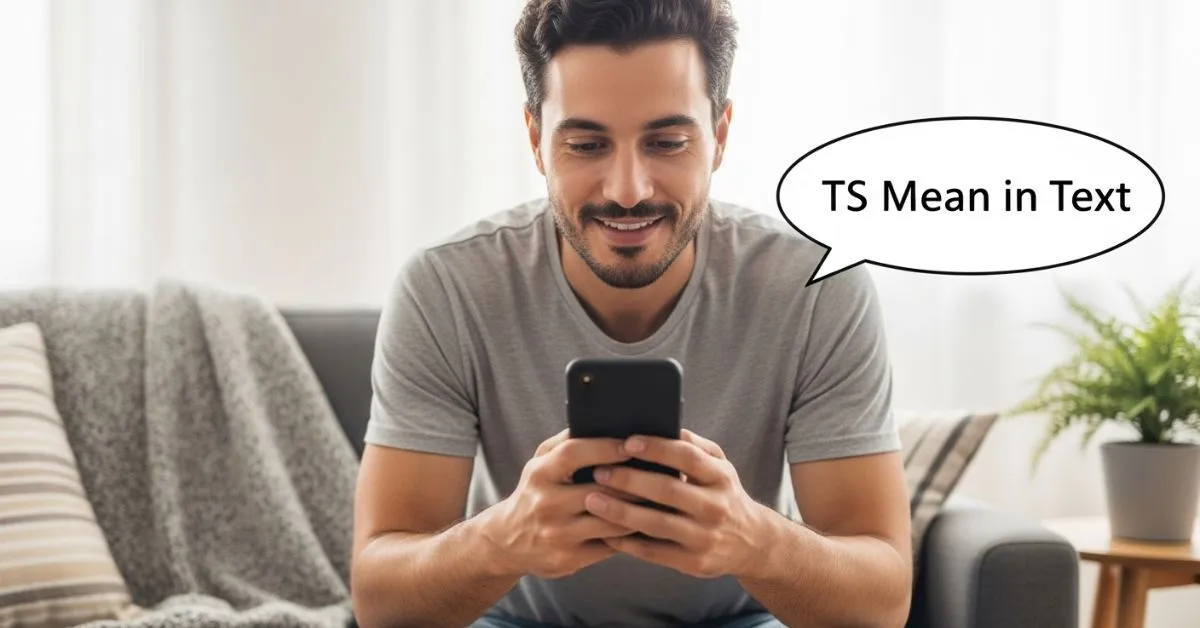
I remember the first time I saw someone text me “TS” 😅. Me stared at my phone, completely confused, thinking wait What Does TS Mean in Text?, is this a typo, some secret code, or a new slang I haven’t learned yet?
I didn’t want to reply wrong, so I quickly looked it up and realized that “TS” is actually a simple but commonly used shorthand in texting. From that day, I started noticing it everywhere in DMs, Snapchat replies, TikTok comments, and group chats.
Knowing what “TS” means saved me from a lot of awkward replies. Now I can respond naturally without overthinking 😄.
Quick Answer:
TS means “That’s Sad.” It’s a friendly and casual way of expressing sympathy or acknowledging someone’s unfortunate situation in texting.
🧠 What Does TS Mean in Text?
TS stands for “That’s Sad.” It’s mostly used to show empathy, disappointment, or acknowledge something unfortunate someone shared. It’s short, simple, and keeps conversations flowing without typing long sentences.
Example:
A: I failed my math test today.
B: ts 😔
In short:
TS = That’s Sad = a quick way to express sympathy or acknowledge bad news.
📱 Where Is TS Commonly Used?
TS is mostly popular in informal messaging and social media chats. Here’s where you’ll see it:
- Text messages 📱 chatting with friends or family.
- Snapchat 👻 quick replies to a friend’s story or update.
- Instagram DMs 📩 responding to unfortunate events or disappointing news.
- TikTok comments 🎵 reacting to sad or unfortunate content.
- Group chats 💬 acknowledging someone’s story or experience casually.
Tone:
TS is casual, friendly, and social-media ready. Avoid using it in professional, formal, or serious contexts.
💬 Examples of TS in Conversation
Here are realistic chat examples showing how TS is used:
A: My favorite show got canceled.
B: ts 😢
A: I lost my wallet today.
B: ts, that sucks 😔
A: I can’t go to the party tonight.
B: ts, maybe next time
A: I didn’t get the job I applied for.
B: ts 😞
A: My pet got sick yesterday.
B: ts, hope they feel better soon
A: The concert tickets sold out so fast.
B: ts, that’s unfortunate
A: I missed the last episode of the series.
B: ts, maybe watch it online
🕓 When to Use and When Not to Use TS
✅ When to Use:
- Friendly chats with friends
- Casual texting or DMs
- Social media comments
- Responding to unfortunate or disappointing news
❌ When Not to Use:
- Professional emails or work chats
- Serious or critical discussions
- Formal or legal communications
- Situations needing polite, detailed responses
Comparison Table:
| Context | Example Phrase | Why It Works |
| Friend Chat | “ts 😔” | Casual & friendly |
| Social DM | “ts, that’s rough” | Quick empathy, informal |
| Work Chat | “I understand the issue” | Polite & professional |
| “Please let me know if any help is needed” | Formal & clear |
🔄 Similar Slang Words or Alternatives
| Slang | Meaning | When to Use |
| TS | That’s Sad | Casual texting, social media |
| SMH | Shaking My Head | Disbelief, disappointment |
| FML | F*** My Life | Venting frustration or bad luck |
| RIP | Rest In Peace | Condolence or sympathy |
| :/ | Unhappy or unsure emoji | Quick reaction to sad or confusing news |
| Aww | Expressing sympathy or cuteness | Friendly, casual reactions |
FAQs❓
Q1: Is “ts” rude?
A: No, it’s not rude. It’s casual and used to show empathy or acknowledge unfortunate news.
Q2: Can “ts” be used professionally?
A: No, it’s informal and best for personal chats or social media replies.
Q3: How do you type “ts” properly?
A: Lowercase “ts” works perfectly. Emojis can be added for tone.
Q4: Is TS always negative?
A: Mostly, yes. It’s used to react to sad, disappointing, or unfortunate situations.
Q5: Can TS be flirty?
A: Rarely. It’s mainly empathetic or acknowledging, not flirty.
Conclusion
Now that I know what TS means in text, replying to disappointing or sad messages is so much easier. It’s a quick, casual, and friendly way to acknowledge someone’s unfortunate situation without typing a long response.
From DMs to group chats, using TS correctly keeps your conversations smooth, empathetic, and relatable. Next time you see it, you’ll know exactly how to respond 😄.

I’m George Eliot, the author of themeaning.com, and I’m an expert in meanings. I explore the real sense behind words, phrases, and slang so you can understand them clearly.